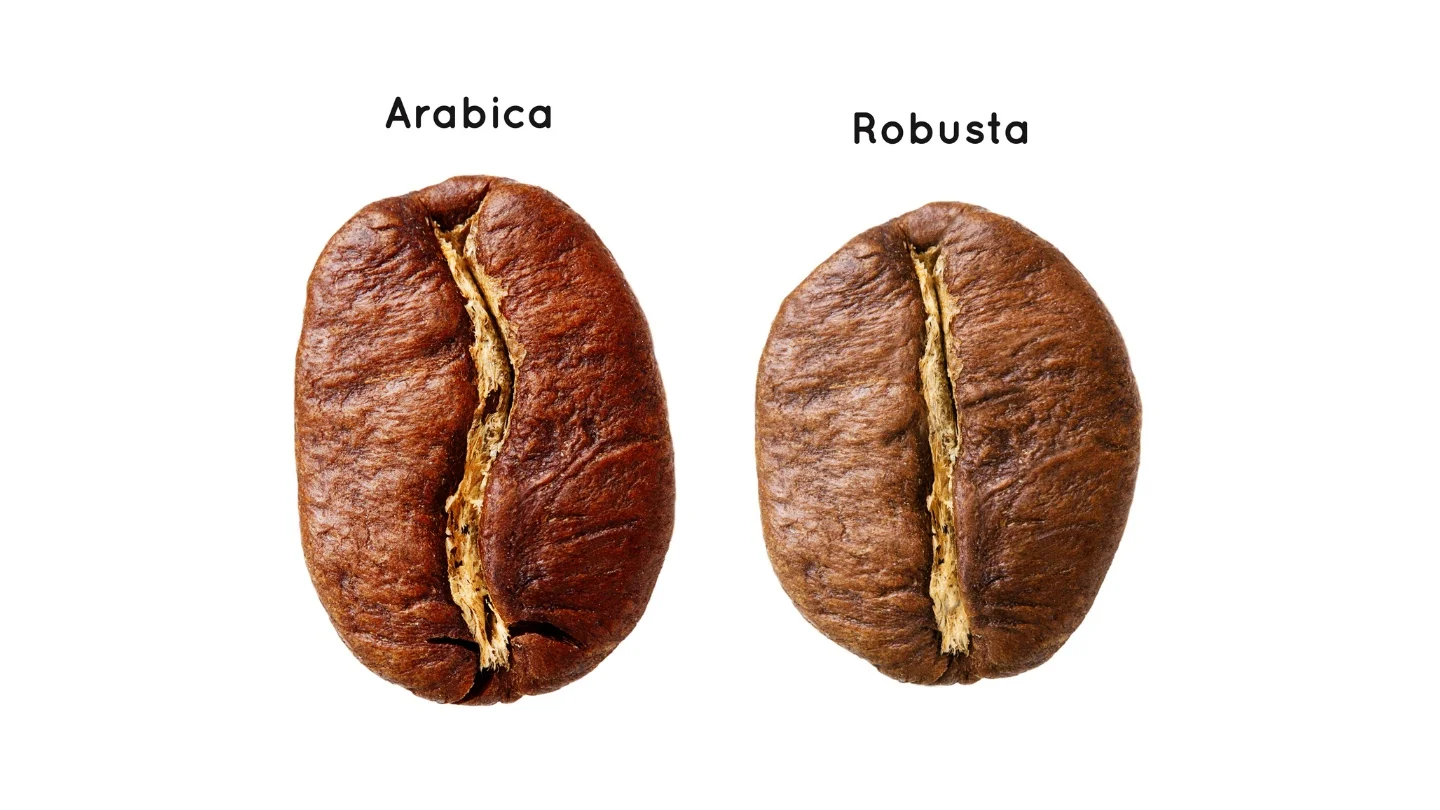
The history of espresso is, in large part, a history of a disagreement about beans. For most of the twentieth century, the question of whether to use Arabica, Robusta, or a blend of the two was not merely a matter of taste — it was a matter of economics, identity, and national pride.
The espresso machine itself was born from a desire for speed. In 1903, Luigi Bezzera patented a system that used high-pressure steam to force hot water through compacted coffee grounds, reducing extraction time from minutes to seconds. The machine was revolutionary; the coffee it produced was, by modern standards, often harsh. The high temperatures required by steam pressure — well above 100 degrees Celsius — scorched the grounds, producing a bitter, astringent shot that bore little resemblance to what specialty coffee drinkers would recognise today.
The solution, developed over the following decades, was the lever machine, which used a spring-loaded piston to generate pressure at lower temperatures. This produced a more balanced extraction — and it also, crucially, produced crema, the golden emulsified layer that became the visual signature of a well-pulled espresso shot. The lever machine made Arabica viable for espresso in a way that the steam machine had not.
The Case for Robusta
Robusta — Coffea canephora — is the other major commercial coffee species, accounting for approximately 25% of global production. It is grown primarily in Vietnam (15% of global supply) and Indonesia, at lower altitudes and in hotter climates than Arabica. It contains roughly twice the caffeine of Arabica — approximately 2.2 to 2.7% by weight, compared to Arabica's 1.2% — and it produces a thicker, more persistent crema when used in espresso blends.
For much of the twentieth century, Italian espresso culture was built on blends that included a significant proportion of Robusta — sometimes as much as 30 to 40%. The rationale was partly economic (Robusta is cheaper to grow and buy) and partly sensory: the bitterness and body that Robusta contributes was, in the context of the short, intense Italian espresso, considered a feature rather than a flaw. The thick crema it produces has a visual appeal that pure Arabica shots often cannot match.
The Specialty Correction
The specialty coffee movement, which emerged in the United States in the 1970s and reached its current cultural dominance in the 2000s, was built almost entirely on Arabica. The movement's founding argument was that coffee, like wine, had terroir — that the flavour of a bean was shaped by the altitude, climate, soil, and processing methods of its origin — and that this complexity was worth paying for and preserving. Robusta, in this framework, was the enemy of nuance: a commodity crop that added caffeine and crema at the cost of flavour.
Arabica accounts for approximately 75% of the world's coffee production, with Brazil supplying around 40% of global output and Colombia contributing a further significant share. Demand for high-grade Arabica has been rising consistently, driven by the global spread of specialty coffee culture. Arabica futures traded at around $2.80 per pound in early 2026, having reached a high of $4.23 per pound in November 2025 — a price level that reflects both genuine supply constraints and the premium that the market now places on quality.
"The demand is specifically spiking for high-grade Arabica beans, the kind characterized by complex acidity, rich distinct flavour notes, and smooth finishes."
— Coffee Hero Australia, 2026
Roast Level: The Final Variable
The debate between Arabica and Robusta is inseparable from the question of roast level. Dark roasting — the style associated with traditional Italian espresso and most commercial coffee chains — was developed partly as a way of standardising inconsistent raw material. As Italy Segreta notes, "dark roasts result in a more bitter taste and are often used to hide any defects the beans might have." A dark roast can make mediocre Robusta taste acceptable. It cannot make exceptional Arabica taste exceptional — it destroys the very complexity that makes the bean worth using.
Modern roasting science has shifted the consensus toward medium and medium-light roasts for high-quality Arabica, which preserve the origin characteristics — the fruit notes of Ethiopian Yirgacheffe, the chocolate of Colombian Huila, the nuts and caramel of Brazilian Cerrado — without the bitterness that dark roasting introduces. ORO No.01 is roasted at level 6 out of 10: medium, preserving complexity while delivering the body and crema that espresso demands.
The blend wars are not over. There are still excellent Italian roasters who argue for the structural role of Robusta in a well-designed espresso blend. But the direction of travel is clear: as sourcing improves, as roasting science advances, and as consumer palates become more sophisticated, the case for 100% high-grade Arabica grows stronger. The question is no longer whether quality Arabica can produce great espresso. It is whether the industry has the sourcing discipline to make it consistently available.