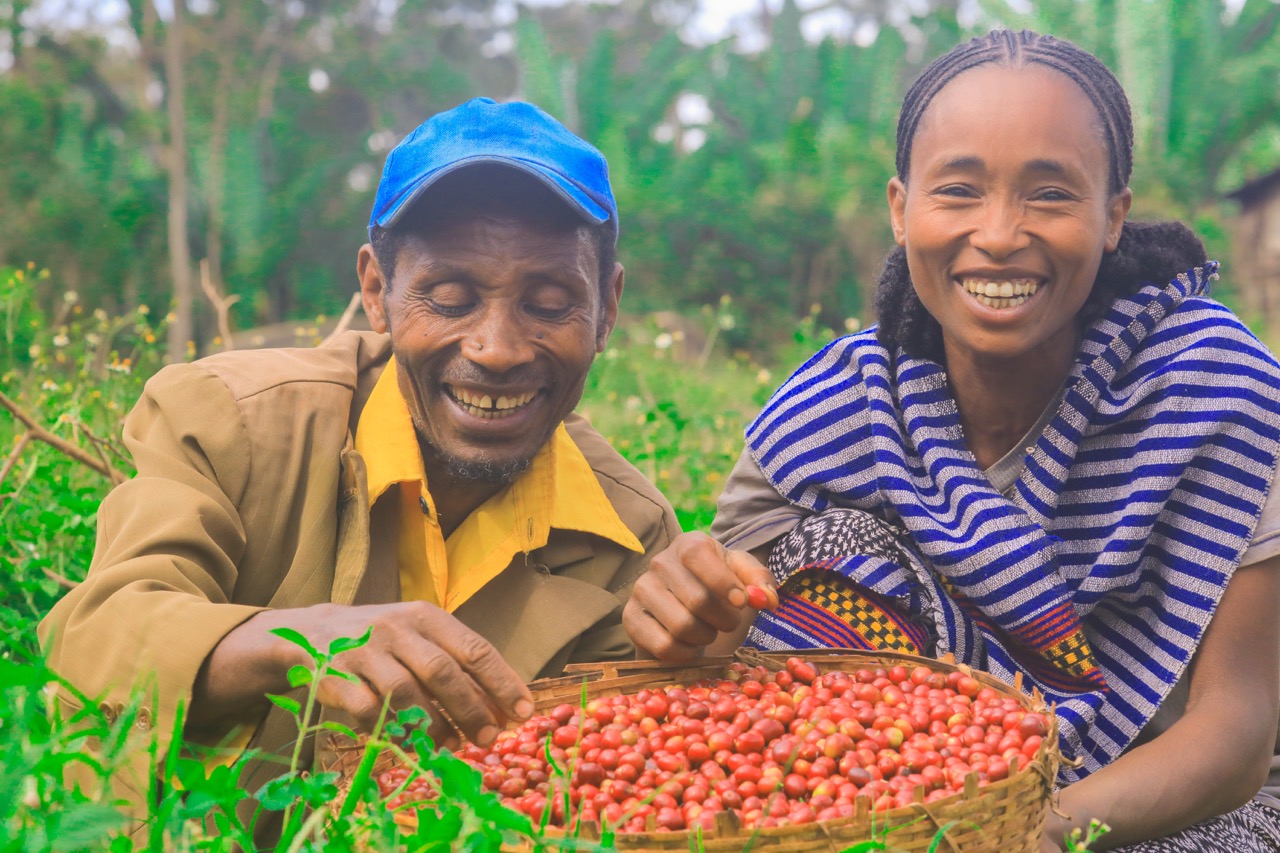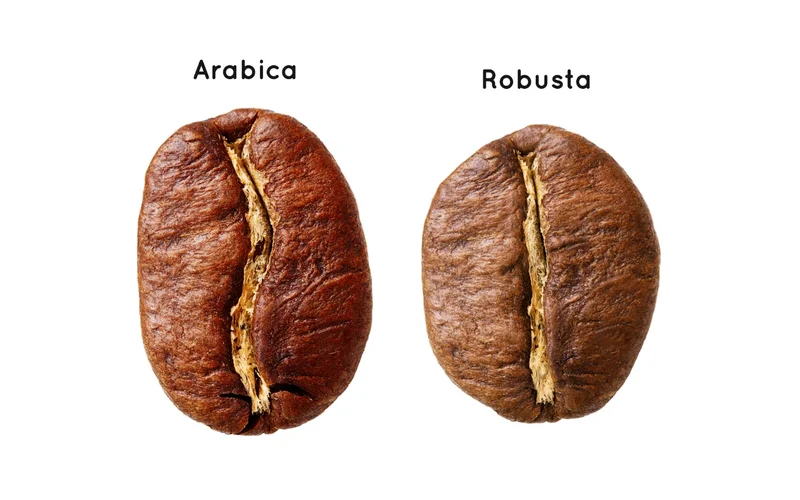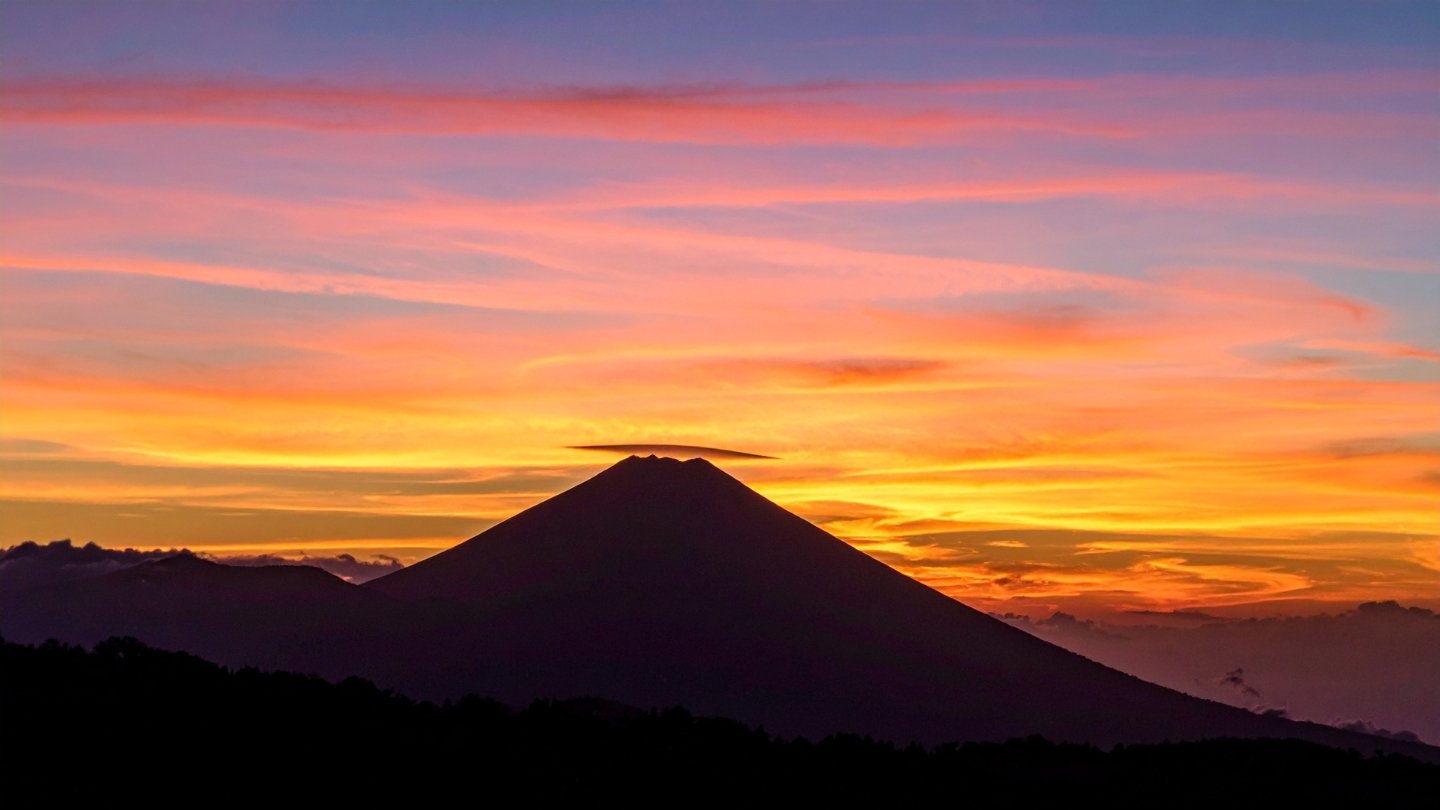
Grown in the shadow of active volcanoes, at altitudes above 1,500 metres, on soils enriched by centuries of eruption — volcano coffee is not a marketing term. It is a geological and agronomic reality that produces some of the most complex, mineral-rich coffee on earth.
The term refers to coffee cultivated on the slopes of volcanic mountains, where the combination of altitude, soil composition, temperature variation, and rainfall creates conditions that are almost uniquely suited to the slow development of Arabica coffee cherries. The most celebrated volcanic growing regions include the slopes of Volcán Santa María and Tajumulco in Guatemala, the Kona coast of Hawaii beneath Mauna Loa, the Rift Valley highlands of Ethiopia, the Sumatra highlands near Lake Toba, and the Nariño department of Colombia, where coffee grows at the foot of the Galeras and Azufral volcanoes.
Why Volcanic Soil Produces Exceptional Coffee
Volcanic soil — known as andosol — is among the most fertile on earth. Formed from the weathering of volcanic ash and lava over thousands of years, it is rich in minerals including potassium, phosphorus, magnesium, calcium, and iron. These minerals are not merely present in the soil; they are bioavailable to the coffee plant in forms it can absorb and metabolise efficiently, contributing directly to the complexity of the cherry and, ultimately, the cup.
The high mineral content of volcanic soil encourages the development of complex organic acids within the coffee cherry — citric, malic, phosphoric, and quinic acids among them — which translate in the cup as brightness, clarity, and layered flavour. Coffee grown in mineral-poor soils tends toward flatness and simplicity. Coffee grown in volcanic soil tends toward depth and definition.
"The terroir of volcanic coffee is not metaphor. The minerals in the soil enter the plant, shape the cherry, and survive the roast. You are, in a very literal sense, tasting geology."
— World Coffee Research
Altitude and the Slow Cherry
Volcanic growing regions are almost always high-altitude regions. The relationship between altitude and coffee quality is well-established: at elevations above 1,200 metres, cooler temperatures slow the maturation of the coffee cherry, extending the development period from flower to ripe fruit to as long as nine months. This extended maturation allows the cherry to accumulate more sugars, more acids, and more aromatic compounds than cherries grown at lower elevations, which ripen in as little as six months.
The result is a denser bean — measurable by the SCA's hard bean and strictly hard bean classifications — with a more complex internal structure and a higher concentration of the precursors that produce flavour during roasting. Denser beans are also more resistant to heat during roasting, giving the roaster greater control over development without the risk of scorching.
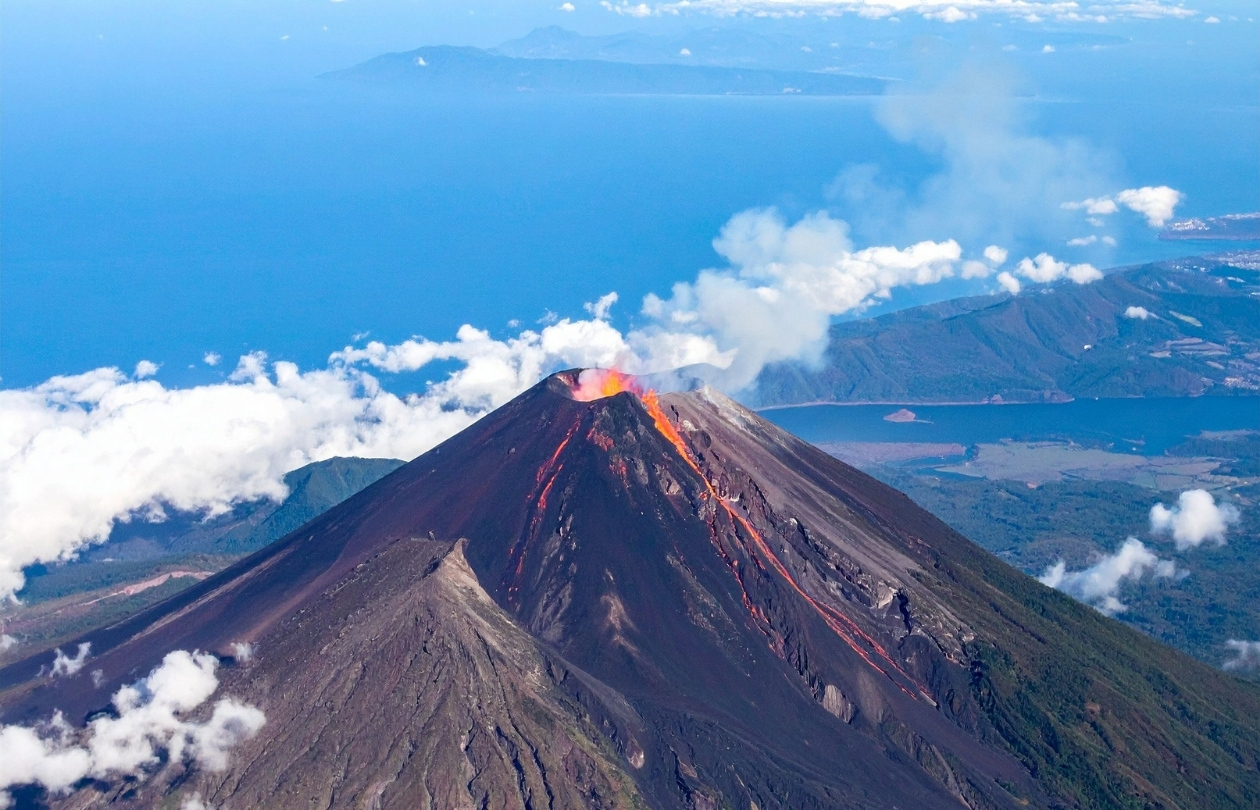
Guatemala: The Benchmark for Volcanic Coffee
Guatemala's Huehuetenango and Antigua regions are widely regarded as the global benchmark for volcanic coffee. Huehuetenango sits at altitudes between 1,500 and 2,000 metres on the slopes of the Cuchumatanes mountain range, where dry hot winds from Mexico's Tehuantepec plain protect the region from frost and allow coffee to be grown at altitudes that would otherwise be too cold. The result is a coffee of extraordinary brightness — high citric and malic acidity, stone fruit and floral notes, and a clean, lingering finish.
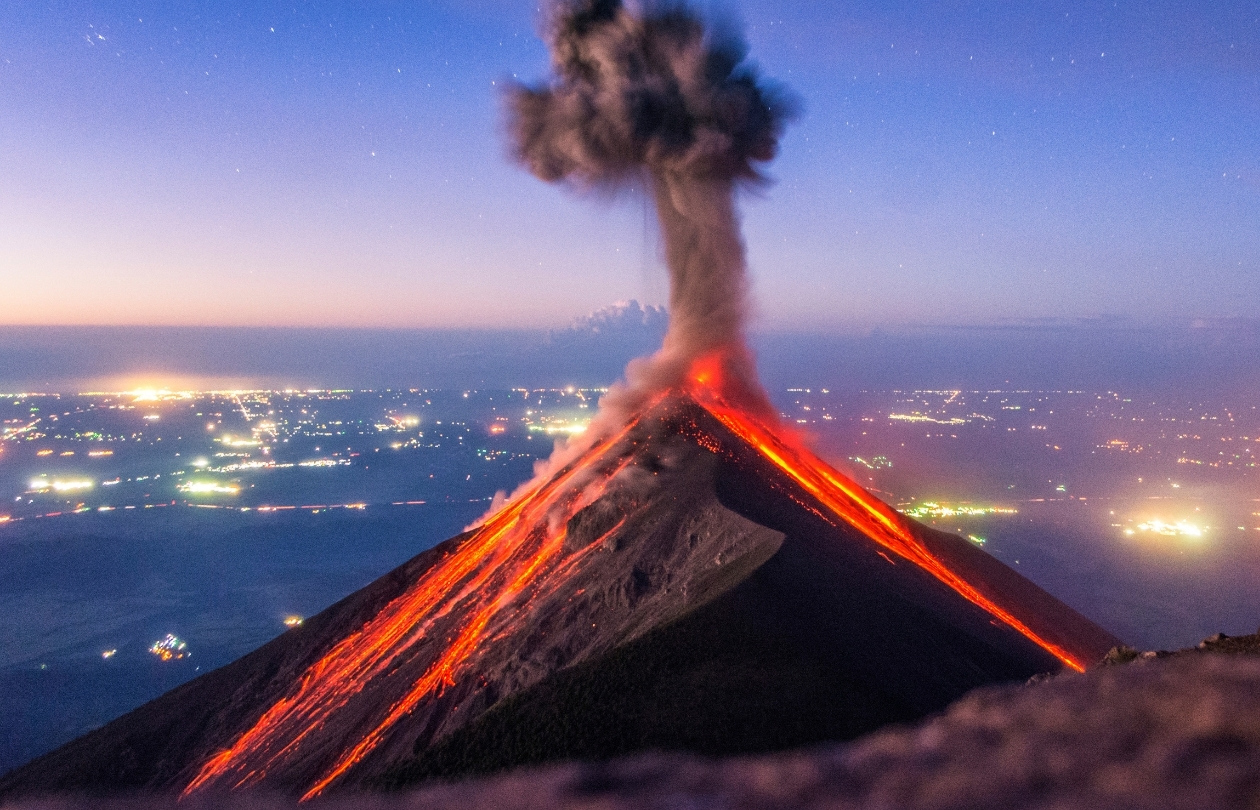
Antigua, by contrast, is surrounded by three volcanoes — Agua, Fuego, and Acatenango — and benefits from a microclimate of moderate temperatures and consistent rainfall. Antigua coffee is typically fuller-bodied than Huehuetenango, with chocolate, brown spice, and mild fruit notes that make it well-suited to espresso blending. It is the Guatemala component in ORO No.01 — selected for its contribution of brightness and structure to the blend.
Ethiopia's Volcanic Highlands
Ethiopia's coffee-growing regions — Yirgacheffe, Sidama, Guji, and Harrar among them — sit on the Ethiopian Plateau, a volcanic highland formed by the same tectonic activity that created the East African Rift Valley. The soils here are ancient, deeply weathered, and extraordinarily complex, containing not only the mineral richness of volcanic origin but also the accumulated organic matter of millennia of forest floor decomposition.
Ethiopian coffee is unique in the world for its genetic diversity. The country is the birthplace of Arabica coffee, and thousands of distinct varieties grow wild and semi-wild across its highlands — many of them unnamed and unstudied. This genetic diversity, combined with the mineral complexity of volcanic soil, produces coffees of extraordinary aromatic range: jasmine, bergamot, lemon, peach, blueberry, and dark chocolate have all been identified in Ethiopian cup profiles by the SCA's certified tasters.
Colombia's Nariño: Volcano Coffee at the Equator
The Nariño department of southern Colombia sits at the foot of two active volcanoes — Galeras and Azufral — at altitudes between 1,800 and 2,300 metres. At these elevations, so close to the equator, the temperature differential between day and night is extreme: warm days accelerate photosynthesis and sugar development in the cherry, while cold nights slow respiration and preserve the acids and aromatics that would otherwise be metabolised overnight.
Nariño coffee is consistently rated among the highest-scoring Colombian lots in international competitions. Its profile is characterised by intense sweetness, bright citric acidity, and a clean, transparent cup that allows the origin character to express itself without interference. It is the Colombia component in ORO No.01 — selected for its sweetness and balance.
What Volcano Coffee Tastes Like
The flavour profile of volcano coffee is not uniform — it varies significantly by region, variety, processing method, and roast level. But certain characteristics recur across volcanic origins with enough consistency to constitute a recognisable profile: brightness without harshness, sweetness without flatness, mineral clarity without austerity, and a complexity that reveals itself progressively as the cup cools.
In espresso, volcanic-origin coffees contribute the structural elements that distinguish a memorable shot from a merely adequate one: the citric brightness that cuts through milk in a flat white, the mineral backbone that gives body to a long black, the aromatic complexity that lingers on the palate after the cup is finished.
ORO No.01 draws on two volcanic origins — Guatemala (Antigua) and Colombia (Nariño) — alongside Brazil and Ethiopia to build a blend that is simultaneously complex and consistent. The volcanic components provide brightness, structure, and mineral definition. The Brazil provides body and sweetness. The Ethiopia provides aromatic depth and floral lift. Together, they produce a cup that is greater than the sum of its parts — which is, ultimately, what a great blend is for.